Office for Supporting Youth Innovative Initiatives

“Academic Mobility” programme

A chance for young scientists to carry out research in the unique laboratories and on the equipment of leading research centres — without leaving their jobs

253 projects from 14 regions across 29 fields
65 winning projects recommended by the working group
8 winners at INNO the most chosen host organisation
6 months of research keeping their job and salary
01About the programme

Unique equipment — open to every young scientist

“Academic Mobility” supports talented young people in science and innovation by giving them free access to the unique research facilities, laboratories and design bureaus of leading research organisations and universities.

Legal basis CM Resolution No. 222, Annex 1
Participants Young scientists up to 40
Research period 15 days to 6 months
Frequency At least once a year
Funding Up to 200 BCA

A young scientist applies with a referral from their institution and, if successful, carries out research at a host institution for 15 days to 6 months, with a research supervisor and a technical specialist assigned.

The programme runs under the Regulation approved by Cabinet of Ministers Resolution No. 222 of 19 April 2021. A call is announced at least once a year.

Key advantage

Winners keep their position and salary — the research is done without leaving their job.

How the programme works

Young scientist

Applies with a referral from their institution and a project approved by its academic council.

Host institution

Provides unique equipment and labs and assigns a research supervisor and a technical specialist.

Ministry

Funds the project from science programme budgets under a three-party contract.

02Selection

From application to certificate

The Ministry’s working group scores projects out of 100 — winners need more than 50 points.

  1. 1 month before

    Call

    The contest is published on the Ministry’s website at least a month in advance.

  2. By the deadline

    Application

    The project is submitted with an institutional referral and an academic council decision.

  3. 20 days

    Working group

    Projects are reviewed and candidates give presentations.

  4. Outcome

    Certificate and contract

    Winners receive a certificate and sign a three-party contract.

Evaluation criteria 100 points
  • Quality of the work schedule25pts
  • Fit with national science and technology priorities15pts
  • Novelty and relevance15pts
  • Expected results from the unique facilities15pts
  • Justification of costs15pts
  • Candidate’s academic degree15pts
Points for academic degree 15 pts
  • DSc — 15 pts15
  • PhD — 10 pts10
  • Degree candidate — 5 pts5

What the project includes

  • Topic and relevance
  • Goals, tasks and expected results
  • List of publications
  • Host institution’s consent
  • Required equipment, materials and reagents
  • Personal profile

Appeals may be filed within 15 calendar days of the results; the working group reviews them within a week.

Funding and obligations

Everything the research needs

Funds are allocated under a three-party contract and cover travel, use of the lab and research supervision.

What is funded

  • Travel, accommodation and meals
  • Use of labs and equipment, chemical reagents
  • Additional costs — up to 15% of the total
  • Research supervisor’s fee
200BCA — maximum per project
15%max — additional costs

Winner’s obligations

  • Follow the host institution’s internal and safety rules
  • Record work in a stamped project journal
  • Publish at least one article in a reputable international journal
  • Submit a final report and an expense report
03Round analytics

2026 Q2: numbers and regions

253 projects came in from every region of the country. The working group recommended 65 of them for funding.

  1. 01 253 Projects submitted 14 regions, 29 fields of science.
  2. 25,7% selected 02 65 Declared winners On the working group’s recommendation.
  3. 12,3% 03 8 At the INNO technopark The most chosen host organisation.
4.85 bnsoums — requested by winning projects
74.6 mlnsoums — average per project
58%of winning projects plan 6 months of research
15winners are women scientists
Winners by field 65 projects
  • Chemistry12
  • Biology12
  • Industrial engineering and technology8
  • Physics7
  • Agriculture and fisheries5
  • Language and literature4
  • Chemical engineering3
  • 9 other fields14
Region Projects Success rate Winners
Tashkent city 52 42% 22
Surkhandarya region 79 16% 13
Syrdarya region 16 50% 8
Khorezm region 12 33% 4
Bukhara region 8 38% 3
Tashkent region 9 33% 3
Navoi region 8 25% 2
Namangan region 6 33% 2
Samarkand region 8 25% 2
Jizzakh region 9 22% 2
Fergana region 10 20% 2
Kashkadarya region 7 14% 1
Republic of Karakalpakstan 19 5% 1
Andijan region 10 0% 0

Regions sorted by number of winners. Source: contest registry.

04Winners at the INNO technopark

8 young scientists — 8 applied research projects

The technopark set up the conditions winners need and assigned research supervisors. The work focuses on waste processing, biotechnology and chemical engineering.

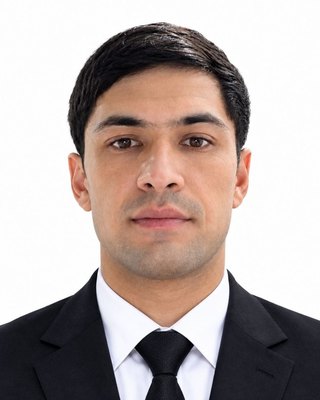
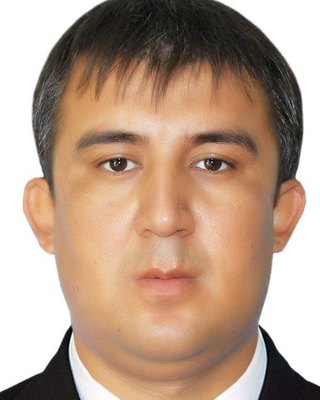
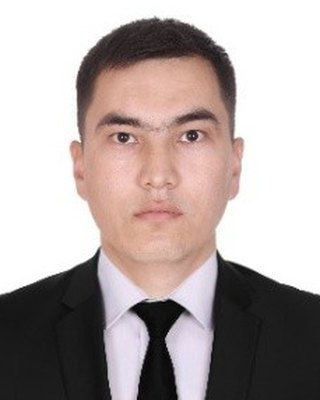
Sardor Obloberdiyev 1

Sardor Obloberdiyev

Acting Associate Professor, Yangiyer branch of Tashkent Institute of Chemical Technology, PhD

Agriculture 6 mo. Syrdarya region

Organic fertilisers and biostimulants from keratin waste

Hydrolytic processing of wool, feathers, horns and hooves into eco-friendly, amino-acid-rich nitrogen fertilisers.
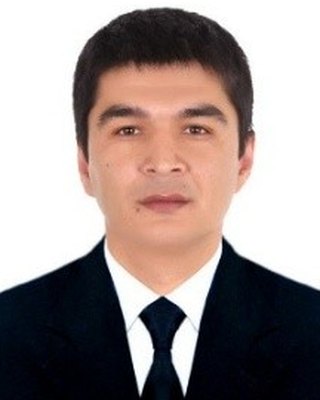
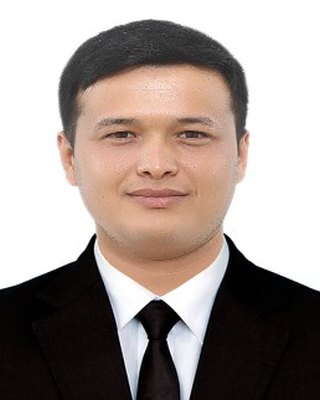
Ilxom G‘oyibnazarov 2

Ilxom G‘oyibnazarov

Senior Researcher, Institute of Polymer Chemistry and Physics, Academy of Sciences, PhD

Chemistry 5 mo. Tashkent city

Protein-rich feed from waste feathers

Hydrothermal hydrolysis of feathers into nitrogen- and calcium-rich feed for poultry and fish farming.

Azizbek Ko‘charov 3

Azizbek Ko‘charov

DSc candidate, Institute of General and Inorganic Chemistry, Academy of Sciences, PhD

Chemistry 4 mo. Tashkent city

A coal flotation reagent from soapstock

Extracting fatty acids from oil-industry waste to make a surfactant reagent for upgrading high-ash coal.

Mardon Abdullayev 4

Mardon Abdullayev

Senior Lecturer, Yangiyer branch of Tashkent Institute of Chemical Technology, PhD

Chemical engineering 5 mo. Syrdarya region

Polymer-based dry building mixes

Next-generation mixes from local minerals and polymer additives — strong, water- and frost-resistant.

Eliboy Mamarasulov 5

Eliboy Mamarasulov

Trainee Lecturer, Yangiyer branch of Tashkent Institute of Chemical Technology

Biology 5 mo. Syrdarya region

Mushroom substrate from liquorice waste

Biotechnological processing of liquorice root shavings into a cheap, eco-friendly substrate for growing mushrooms.

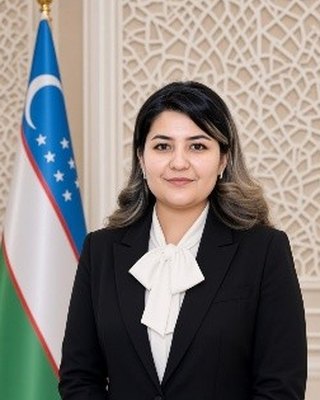
Charos Raimova 6

Charos Raimova

Lecturer, Food Technology Department, Gulistan State University

Biology 6 mo. Syrdarya region

Exopolysaccharides from extremophile bacteria

Import-substituting hydrocolloids for food, pharma and cosmetics based on local bacterial strains.

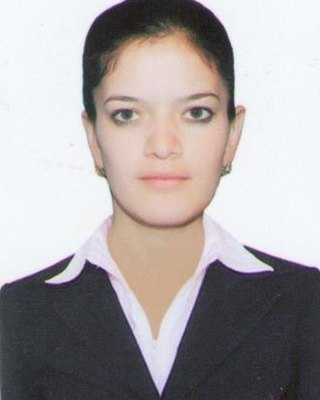
O‘g‘iljon G‘ofurova 7

O‘g‘iljon G‘ofurova

Acting Associate Professor, Yangiyer branch of Tashkent Institute of Chemical Technology

Biology 5 mo. Syrdarya region

Polyploid forms of Monarda species

Developing promising lines rich in essential oils and metabolites through in vitro and in vivo polyploidisation.

Muhiddin Mavlyanov 8

Muhiddin Mavlyanov

Associate Professor, Yangiyer branch of Tashkent Institute of Chemical Technology, PhD

Chemical engineering 5 mo. Syrdarya region

Recovering zinc from metallurgical dust

A technology to extract zinc from the gas-cleaning dust of the Uzbekistan Metallurgical Plant.

Highlights

From selection to the technopark lab

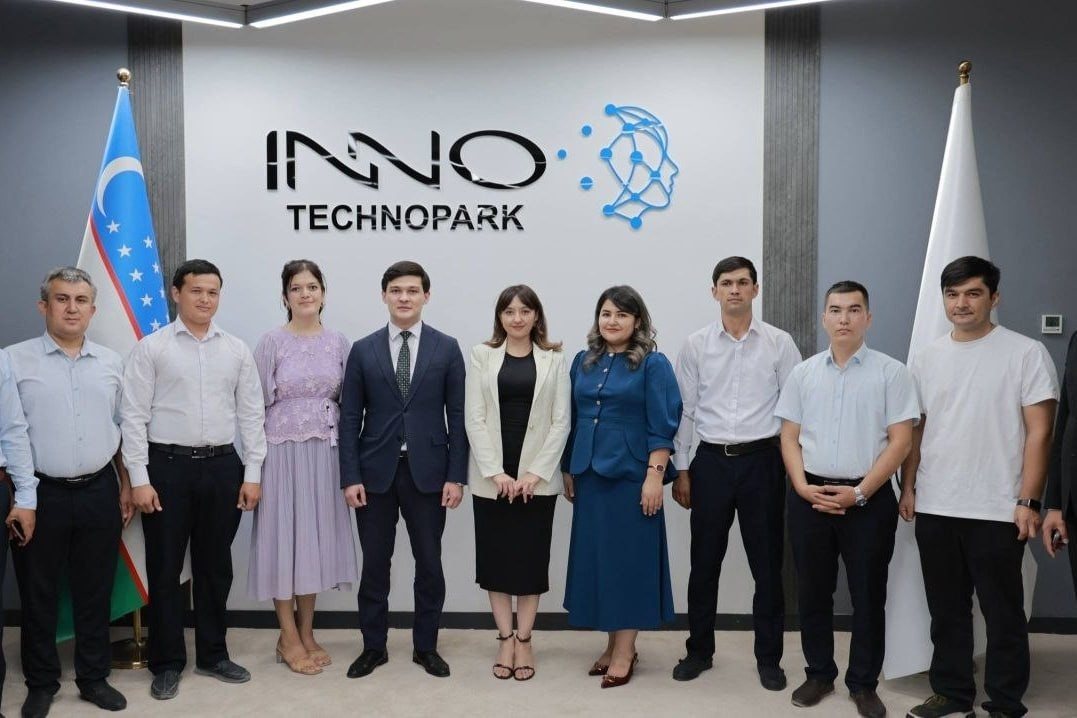
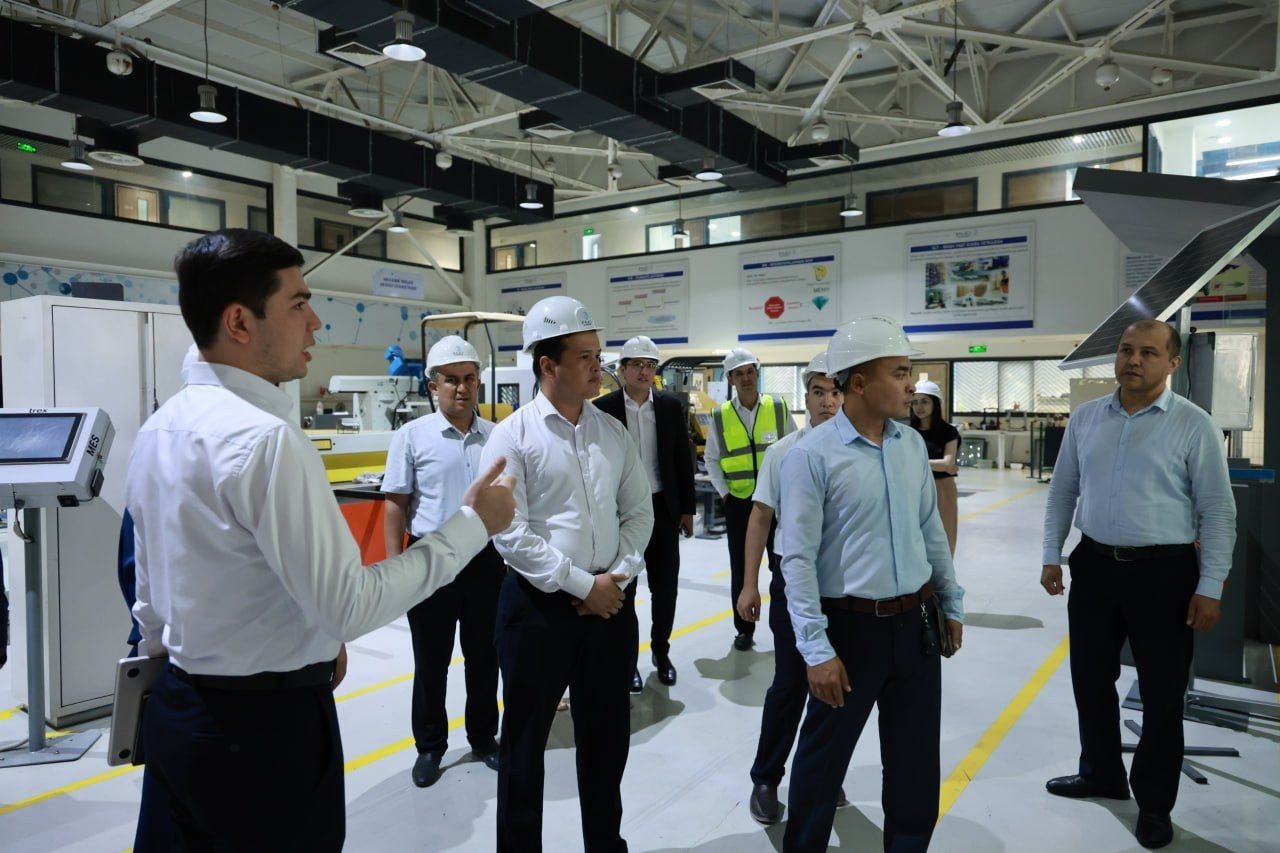
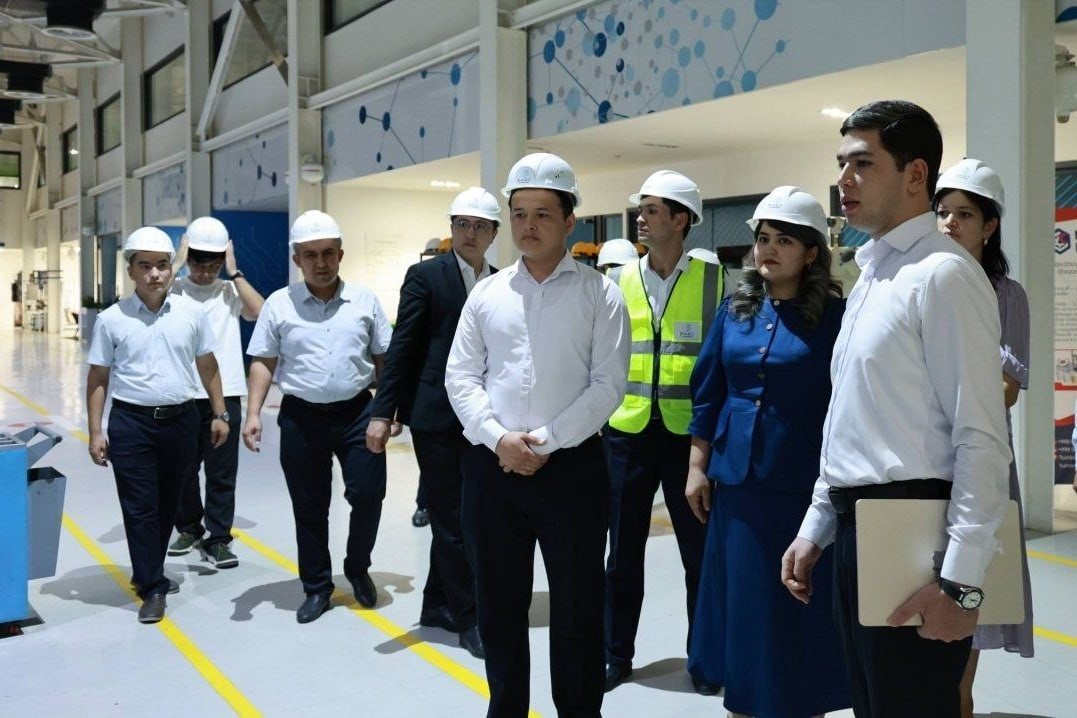
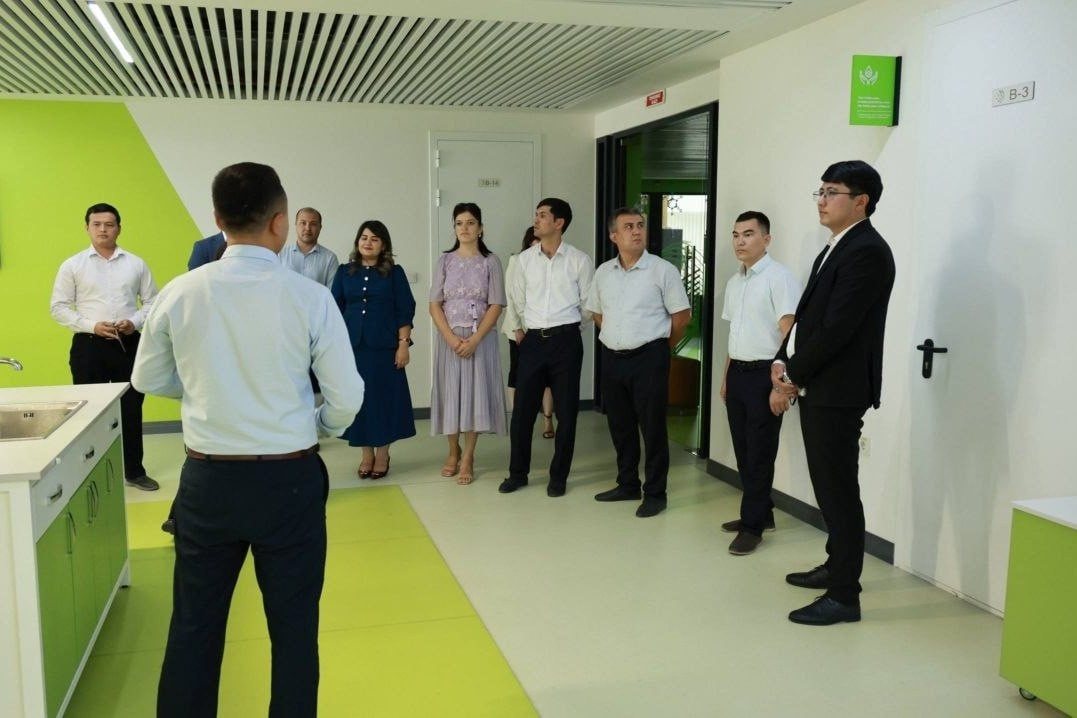
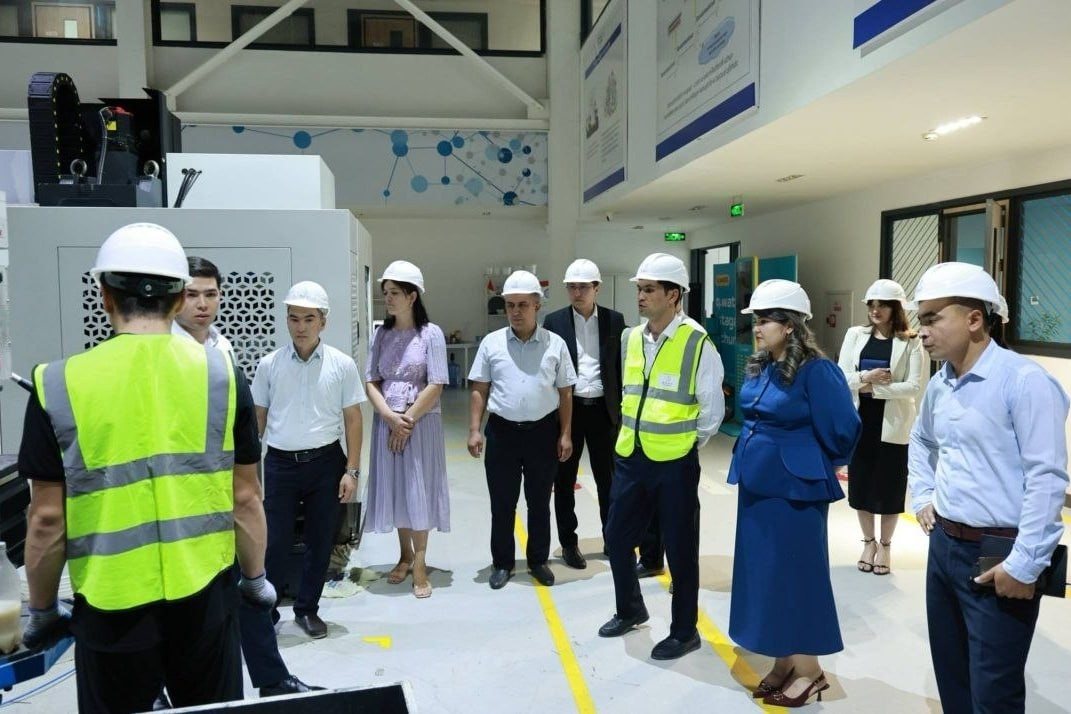
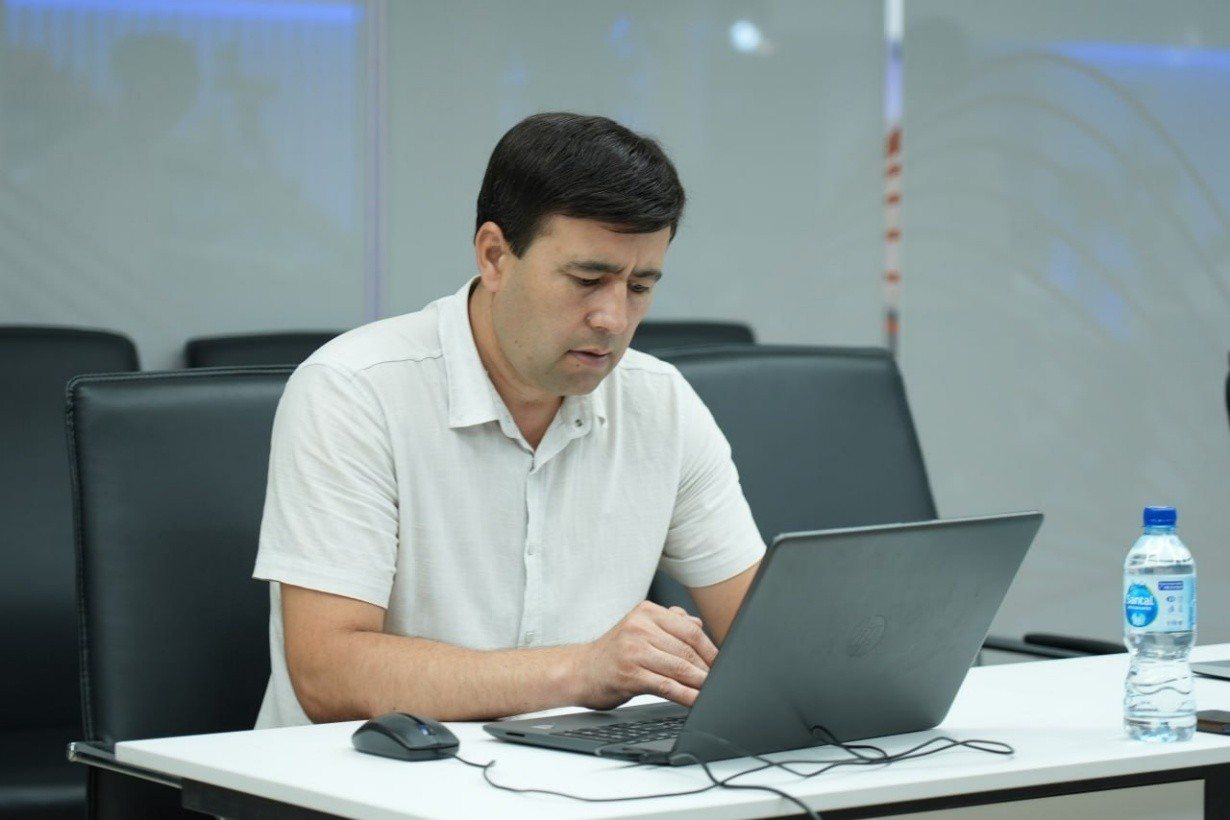
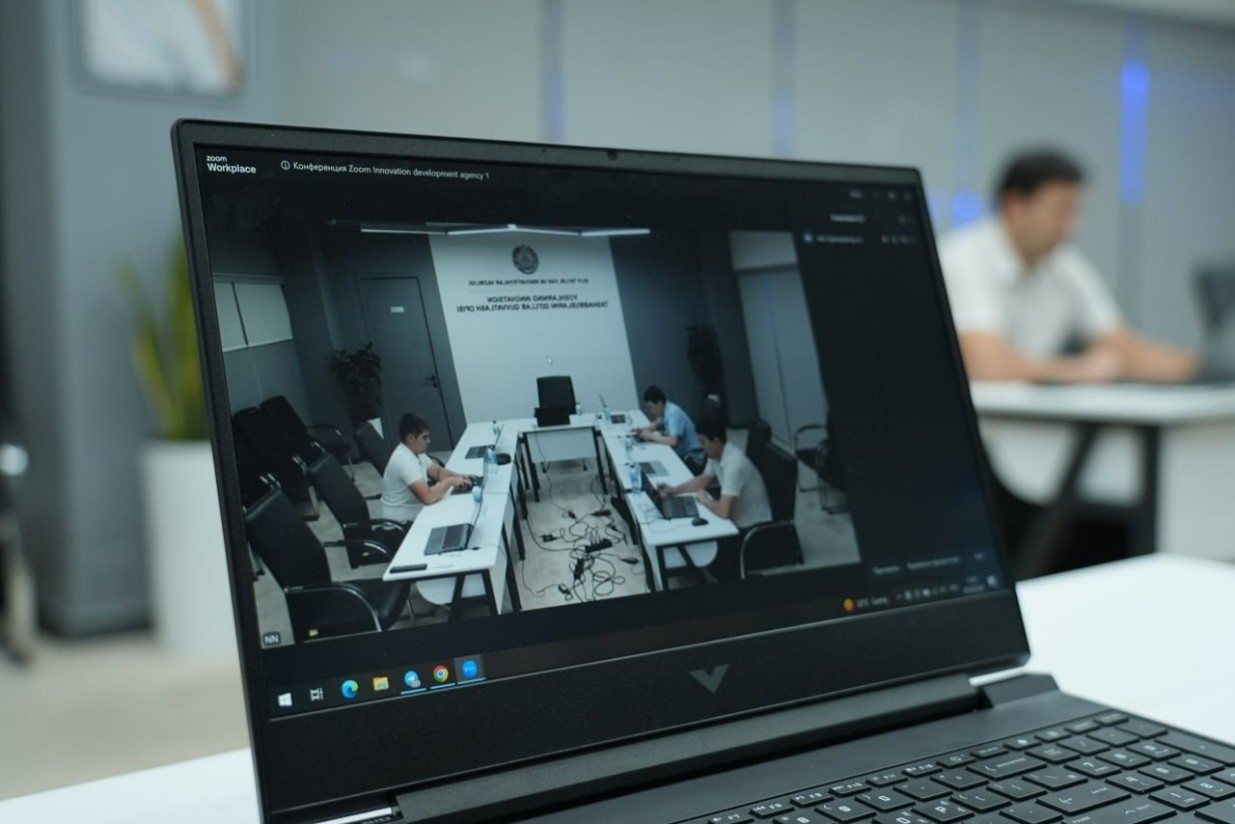
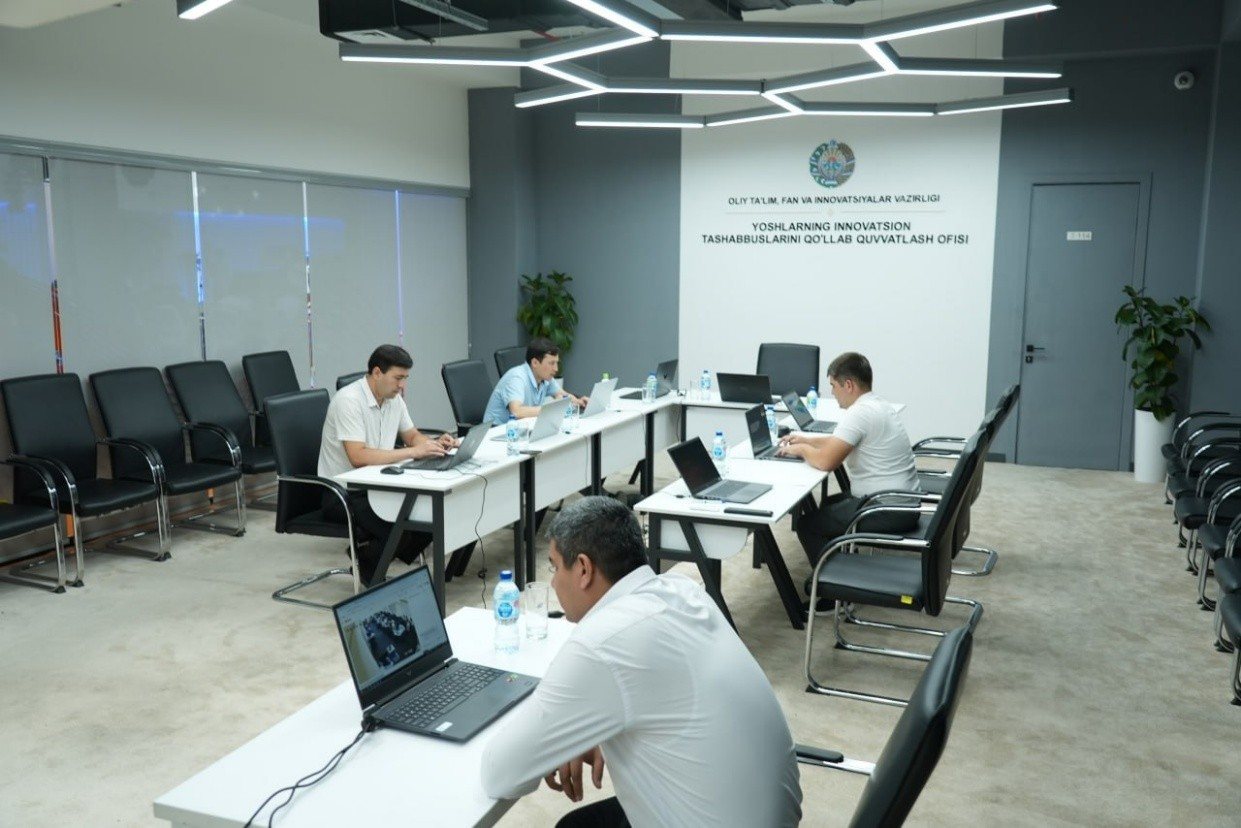
The selection interview and the 16 September meeting with winners at the INNO technopark — a tour of the labs and production zones.

01
16 September, INNO technopark

Meeting the winners

6 photos
A moment from the “Academic Mobility” programme A moment from the “Academic Mobility” programme A moment from the “Academic Mobility” programme A moment from the “Academic Mobility” programme A moment from the “Academic Mobility” programme A moment from the “Academic Mobility” programme
02
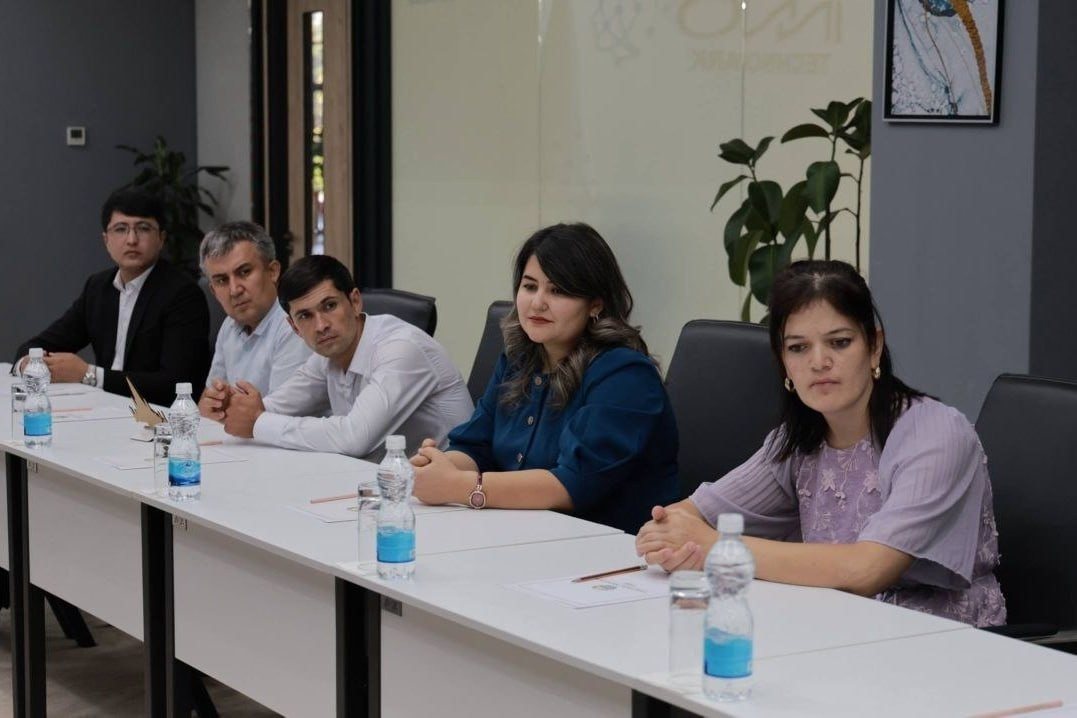
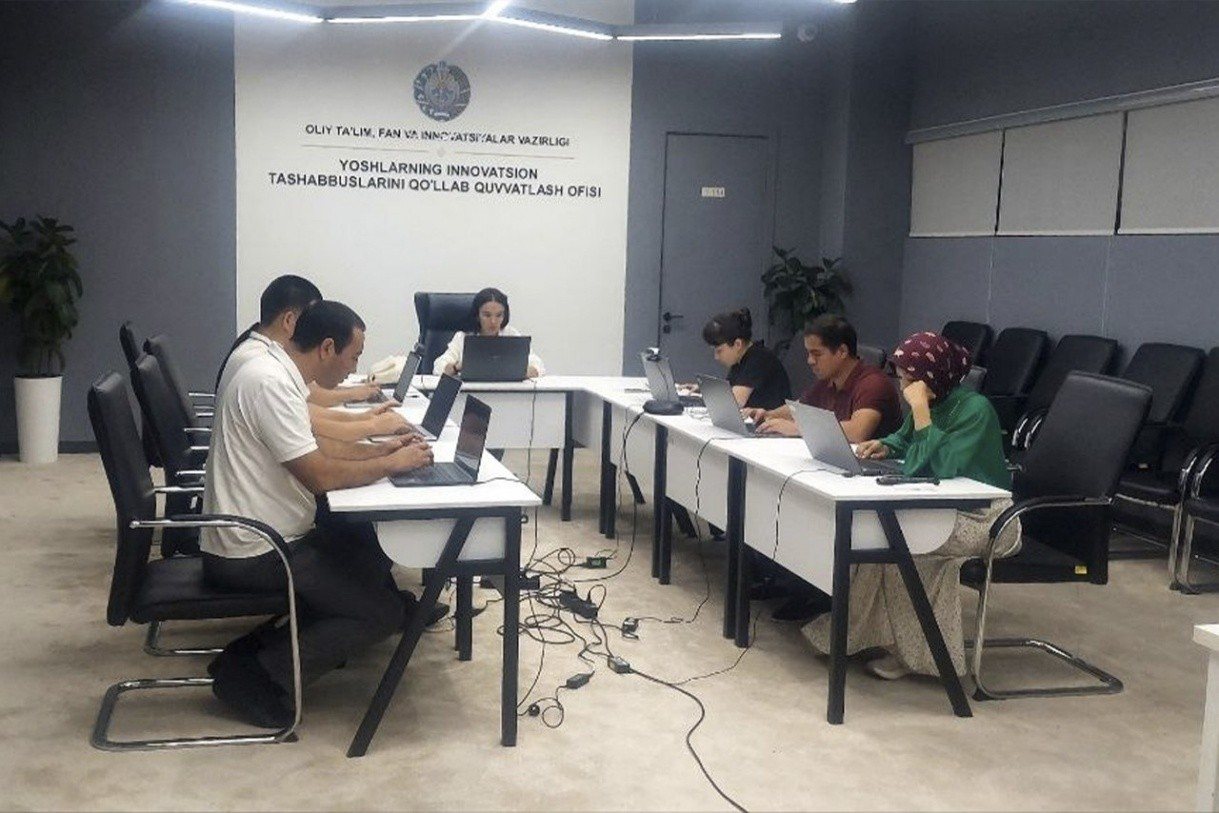
Online and offline with the working group

Selection interview

4 photos
A moment from the “Academic Mobility” programme A moment from the “Academic Mobility” programme A moment from the “Academic Mobility” programme A moment from the “Academic Mobility” programme

Need unique equipment for your research?

Calls are published on the Ministry’s official website. For research ideas and startups, there is also the “Future Scientist” contest.