Office for Supporting Youth Innovative Initiatives

“InnoLab” startup accelerator

A 3-month intensive program taking scientific ideas in biotechnology, food technology, chemistry, medicine and digital technologies from the lab to the market

2026 · INNO technopark, 3 August – 31 October Highlights Startup teams
356 applications from young researchers and inventors nationwide
25 startup teams in 4 tracks: FoodTech, biotech, MedTech and AI
40 participants students, young scientists and engineers
12 weeks from selection to Demo Day
01About the program

From a scientific idea to a prototype and MVP

“InnoLab” is an intensive hands-on acceleration program that turns innovative ideas in science, biotechnology, food technology, chemistry, medicine and digital technologies into practical results.

Duration 3 months · 12 weeks
Venue INNO technopark, Tashkent
Sessions 3 days a week, 2–4 hour blocks
Quota 30 participants
Demo Day 31 October 2026

Participants grow their projects from an idea to a test sample, prototype or minimum viable product (MVP). Every team uses the technopark’s laboratories, computer equipment and coworking space.

The program was launched by the Youth Innovation Initiatives Support Office at the INNO innovative educational and production technopark under Order No. 222 of the Minister of Higher Education, Science and Innovation dated 26 May 2026.

Program principle

Real problem → real solution → real market → practical result

Accepted fields

  • Biotechnology
  • Food technology
  • Chemistry
  • Medicine
  • Digital technologies

Program objectives

  1. 01

    Identify promising startup ideas, screen them and bring them into acceleration

  2. 02

    Build skills in Customer Development, problem and solution interviews and value propositions

  3. 03

    Provide methodological and hands-on support for lab experiments, tests and prototyping

  4. 04

    Teach business planning, competitor analysis, marketing, tax, accounting and legal basics

  5. 05

    Help with unit costs, packaging, IP protection and pitch deck preparation

  6. 06

    Connect the best projects with investors, industry and grant programs

Program timeline

  1. 26 May

    Minister’s order

    Order No. 222 tasked the launch of the “InnoLab” program.

  2. 3–29 August

    Selection

    356 applications reviewed: technical review, offline and online pitches, final round.

  3. 8 September – 29 October

    Acceleration

    Three stages: analysis and idea, production and MVP, commercialization.

  4. 31 October

    Demo Day

    Teams present MVPs and prototypes to investors and industry.

Highlights

From the opening ceremony to the lab

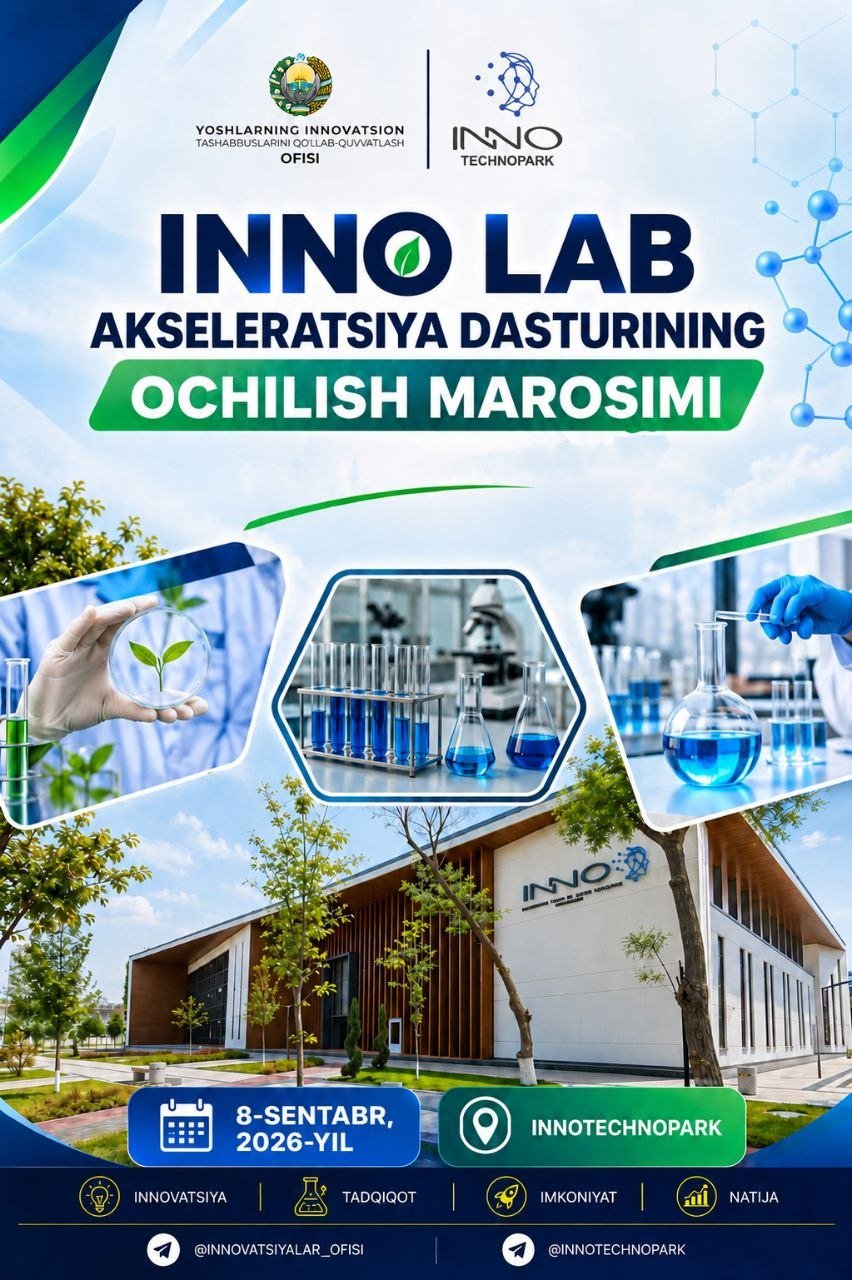
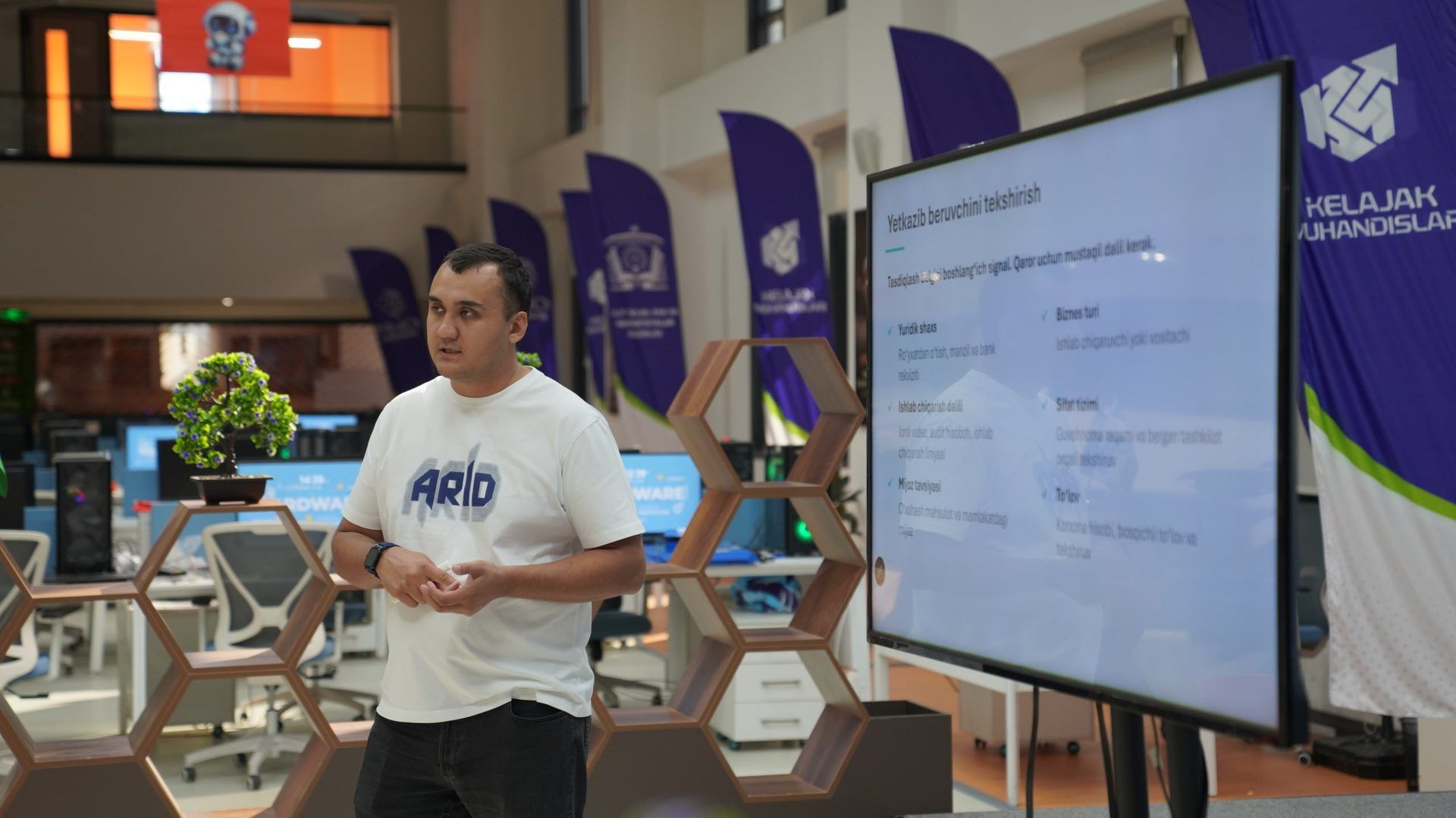
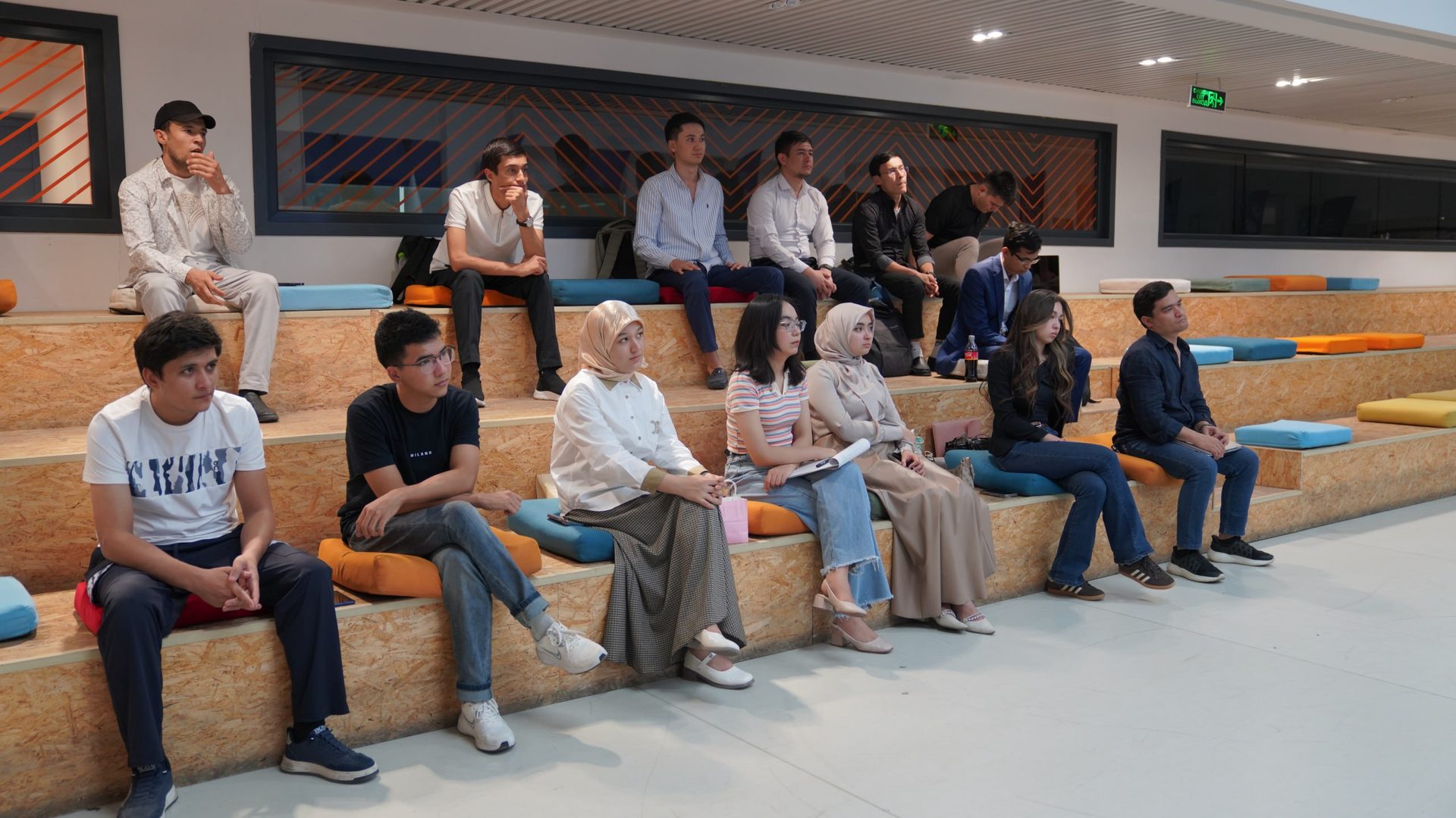
The acceleration opened on 8 September at the INNO technopark. Sessions combine lectures, lab work, mentoring and independent work.

Inside the lab

Working with samples0:15
Running the experiment0:17
Precise measurements0:11
02Selection

From 356 applications — the strongest projects

The working group scored applications on a 100-point scale. Ties were resolved by vote.

  1. 01 356 Applications Project ideas submitted online and offline.
  2. 8,4% kept 02 30 Selected Projects that passed review, pitches and the final round.
  3. 7% kept 03 25 In acceleration Startups formed into teams and working through the program.
Selection criteria 100 points
  • Scientific and technical soundness, feasibility30pts
  • Innovation and relevance20pts
  • Commercial and market potential20pts
  • Existing prototype and ability to improve it20pts
  • Team capacity and motivation10pts
What the application covers 8 blocks
  • Project idea
  • Problem statement
  • Proposed solution
  • Scientific basis
  • Target audience
  • Team
  • Expected result
  • Available resources

Where needed, the committee holds a short interview or Q&A session with candidates.

Selection calendar

  1. 3–8 August

    Screening

    Applications registered; those not meeting the criteria were filtered out.

  2. 11–15 August

    Technical review

    Technology, market analysis and financial model assessed.

  3. 18–25 August

    Pitches

    10-minute offline pitches and a ZOOM session for regional teams.

  4. 29 August

    Final round

    Local and regional finalists delivered their final pitches.

03Acceleration path

Three stages · 8 weeks · 23 sessions

Each stage ends with a concrete output: a team moves on only with the required documents and materials.

Istage
8–22 September

Analysis and idea

Deep customer discovery: is the problem real, and who will pay to solve it?

  1. Opening ceremony

    Team introductions, accelerator rules, Problem Statement Canvas and work plan.

  2. Customer Development

    Studying the customer, identifying pain points and the problem interview.

  3. Market and hypotheses

    Market research basics and a 20-minute one-on-one mentoring session per project.

  4. Solution interviews

    Questionnaire design and a respondent list for MVP testing.

  5. MVP test

    Testing the MVP with potential customers and collecting feedback.

  6. Value proposition

    First project pitch: a concrete solution for the customer.

Program team

  • 2
    Project managers One runs internal processes, the other liaises with regional teams and partners.
  • 2
    Mentors Strategic advice on the idea, market, business model and pitch.
  • 2
    Trackers Run lab sessions and track weekly task delivery.
  • +
    Science and lab experts Support experiment design, testing and lab journals.

How a study day runs

  1. 1 hour

    Lecture — Theory on the topic.

  2. 2 hour

    Lab work — Applying knowledge in practice.

  3. 3 hour

    Mentor and tracker — One-on-one work on the team’s project.

  4. 4 hour

    Independent work — Materials, results and pitch preparation.

Lab rules

  • Work only under a responsible specialist
  • Strict safety and fire-safety compliance
  • Reagents and consumables per approved procedure
  • Results documented in protocols, journals and photos
  • Under-18s only with a guardian’s consent
  • Other teams’ ideas and results stay confidential
04Startups

25 teams — 25 science-based solutions

From synbiotic drinks to an AI platform for cancer diagnosis: the startup teams in the program and their projects.

Portfolio by track 25 teams
  • FoodTech40%
  • AI and digital24%
  • MedTech20%
  • Biotech and ecology16%

ZarSin

FoodTech

A functional synbiotic drink combining probiotics and prebiotics.

2 people

ElectroReboot

FoodTech

An oral rehydration powder that restores electrolyte balance and fights dehydration.

1 people

Criscup

FoodTech

A healthy cucumber snack — a natural, lighter alternative to regular chips.

1 people

N-PEP

FoodTech

An affordable, highly digestible chickpea protein hydrolysate made by limited enzymatic hydrolysis.

1 people

Crispora

FoodTech

Crispora Kids — a brand of healthy, tasty children’s snacks from natural ingredients.

1 people

HerbaSev

FoodTech

Functional isomalt sweets with clove, barberry and hibiscus extracts — lollipops and dragées.

3 people

TRITON BioDrink

FoodTech

A FoodTech project for a fast-dissolving, low-sugar functional drink.

1 people

NurotaMixMeal

FoodTech

Quick-cook soup, sauce and national dish mixes from Nurata region produce.

1 people

IronBaby

FoodTech

An iron-rich synbiotic puree for children.

2 people

Tiklan

FoodTech

Enteral nutrition from local ingredients for patients with swallowing difficulties or after surgery.

1 people

AIscan

AI and digital

A platform that digitizes medical images and supports cancer diagnosis.

1 people

Driftline

AI and digital

An AI platform for personal migraine tracking that predicts high-risk periods.

1 people

SheTechAi

AI and digital

An adaptive digital platform teaching women AI tailored to their profession and interests.

1 people

Dentista

AI and digital

An AI platform for early detection of caries and bite problems in children and oral-health monitoring.

4 people

ImmunApp

AI and digital

A single digital solution for tracking vaccinations and improving public health literacy.

1 people

FARMALIZ

AI and digital

An AI platform for checking pharmaceutical documentation.

1 people

PCRa diagnostics

MedTech

Disease diagnostics in 30 minutes with a reusable portable analyzer and cartridges.

1 people

SmartDrop

MedTech

A smart system that monitors IV drips in real time and instantly alerts nurses to risks.

2 people

Amnio-test

MedTech

A local rapid test for early detection of premature amniotic fluid leakage.

1 people

DryBody

MedTech

Underwear that prevents sweating in hyperhidrosis and helps prevent lower-back pain.

2 people

Tinchlan

MedTech

A psychological first-aid kit helping employees, students and youth manage stress.

1 people

Pomora

Biotech and ecology

An eco-friendly leather alternative made from fruit peels.

2 people

EcolabUz

Biotech and ecology

Growing spirulina in a closed photobioreactor in a sterile, sensor-controlled environment.

3 people

MicroGreenuzb

Biotech and ecology

Growing and delivering microgreens across Uzbekistan.

1 people

BioPack

Biotech and ecology

A biodegradable eco-bag made from potato-peel starch.

4 people
Demo Day

31 October — the final pitch to investors

Demo Day is open to teams that met all requirements and have a working MVP or prototype.

What teams bring

  • A prototype, test sample or MVP
  • Business plan and market strategy
  • Unit cost and packaging concept
  • Legal setup and IP plan
  • An investor pitch deck

Follow-on support

  • Certificate and recommendation letter
  • Expert opinion
  • Referral to grant and investment programs
  • Meetings with industrial companies

A high Demo Day score does not automatically guarantee funding — grants and investment follow separate criteria.

Turn your scientific idea into a startup

“InnoLab” graduates can seek project funding through the “Bo‘lajak olim” grant program.